
Plumbing
Accounting and tax strategy built for plumbing contractors
Plumbing runs on two clocks. The after-hours emergency that pays today, and the construction job that pays on a draw sixty days out. We build the books, the tax plan, and the cash forecast around both, so more of what you bill stays yours.

What a general accountant misses
The money problems that are specific to plumbing
Emergency calls, scheduled service, and construction work each pay on their own timeline and carry their own margin. Blend them into one set of generic books and you cannot tell which side is carrying the business.
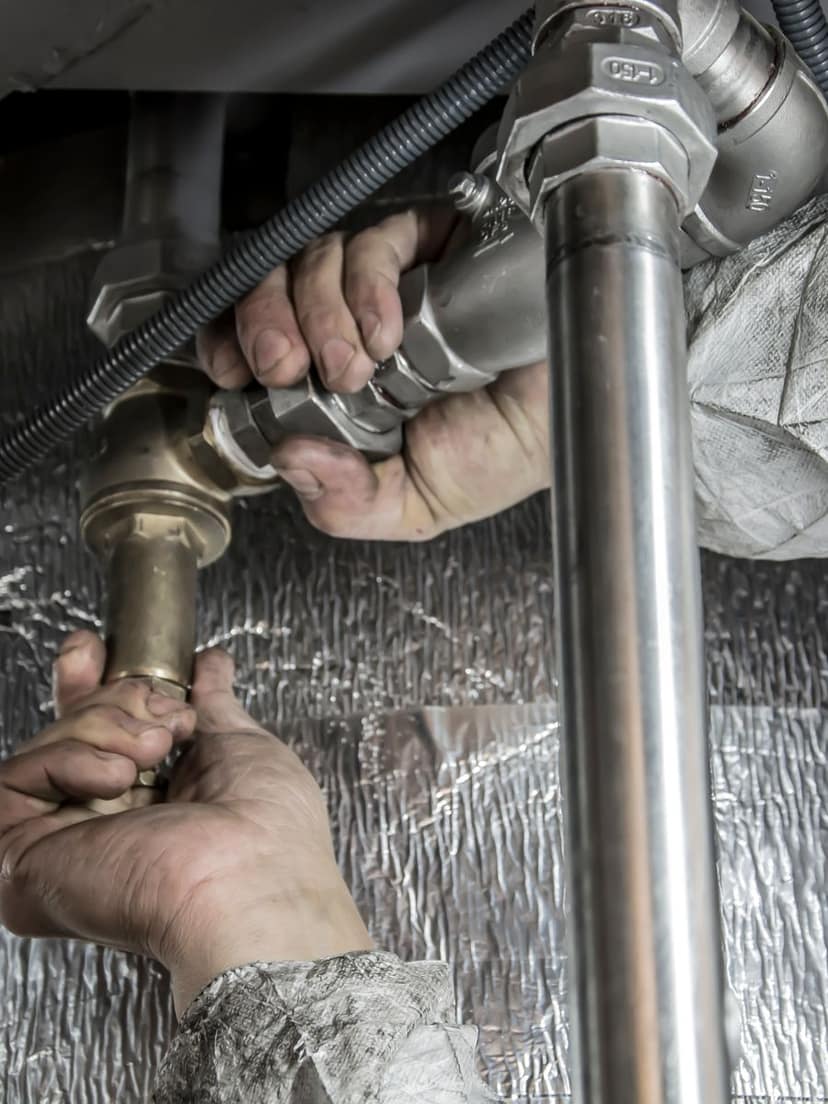
Emergency versus scheduled margins
After-hours calls bill at a premium but carry call-out pay and overtime. Scheduled service and new construction bill differently again. One blended number hides which work actually pays and which just keeps the trucks busy.
Same-day cash versus construction draws
Service work is usually paid on completion, so the cash lands fast. Remodel and new-construction work waits on draws and retainage. Mixing the two in one bank balance hides a cash gap until it is a payroll problem.
Truck stock and parts
Every van is a rolling parts room. Material gets installed without being billed, or simply disappears. Untracked truck stock is real margin walking out the door every week.
Dispatch, drive time, and on-call labor
Overtime, call-out pay, and windshield time decide whether a service call made money. Most books never break it out, so a busy schedule can hide unprofitable work.
Vans, tools, and depreciation
Vans, jetters, and camera equipment are your biggest capital outlay, and how you depreciate them drives your tax bill. Section 179 and bonus depreciation only pay off when the timing is planned against your income.
How we help
A finance department that speaks plumbing
Books split by work type
Emergency, service, and construction tracked as separate profit centers, so you can see the real margin on each and put your crews where the money is.
Truck stock under control
Parts inventory tracked by truck and tied back to the job, so material you install actually gets billed and shrinkage stops hiding in your cost of goods.
Van and equipment depreciation
Section 179 and bonus depreciation on vans, jetters, and cameras, timed to your income and your tax year so the write-off lands when it does the most good.
Membership revenue done right
Recurring service plans booked as deferred revenue and earned across the term, so your profit and your tax bill reflect what you earned, not what you collected.
Cash flow that knows your mix
A forecast that separates paid-on-completion service work from draw-based construction, so a slow construction month does not put payroll at risk.
Entity and year-round tax
An S-Corp structure where the profit supports it, plus quarterly planning that acts on deductions and credits while there is still time to use them.
Proven where it counts
One obsession: keeping more of what you earn.
Why Today CFO
Why plumbing owners work with us
We understand service-based work
Emergency, service, and construction are three different businesses under one roof. We know how each one bills, how it pays, and where the cash really comes from.
Depreciation planned, not guessed
Vans and equipment are among your largest deductions. We time them against your income so the write-off shows up in the year you need it.
Run by an operator, not a filer
Tom built and sold a company before starting Today CFO. He has met payroll and carried real risk, so he reads your numbers like an owner deciding whether that after-hours call was worth it, not like a preparer filling out a form.
Straight answers
Plumbing accounting and tax questions
How should a plumbing company separate emergency work from scheduled work?
They behave nothing alike. An after-hours emergency carries premium pricing but also call-out pay and overtime, while scheduled service and new-construction plumbing bill and pay on different timelines. Track them as separate profit centers and you finally see which kind of work is actually funding the business.
How do plumbers keep truck stock from eating their margin?
Every van carries inventory, and parts get installed without ever hitting an invoice, or simply walk off. That is margin leaking out the back door. We tie truck stock to the job so the material you put in the ground gets billed and counted.
Can plumbing contractors write off new vans and equipment?
Section 179 and bonus depreciation let you deduct the cost of qualifying vans, jetters, cameras, and tools in the year they are placed in service instead of spreading it over many years. The timing of a purchase against your income can change the benefit a lot, so we plan it during the year rather than discovering it at filing time.
How are plumbing service memberships taxed?
When a customer prepays for a maintenance or service plan, that money is not income yet. It is deferred revenue you earn across the length of the plan. Recognizing it all on day one overstates profit and inflates the tax bill, so we book memberships to earn correctly over their term.
Should my plumbing business be an S-Corp?
For a profitable owner, an S-Corp election can reduce self-employment tax by splitting pay between reasonable wages and distributions. Whether it helps depends on your profit and how you pay yourself. We run the numbers first and only recommend the change when it clearly earns its keep.
See what proactive tax strategy is worth for your plumbing business
Our calculator gives you a personalized estimate based on your revenue, entity type, and business complexity. Find out what you could keep with a plan built around how plumbing actually runs, in under two minutes.
Calculate your savings